
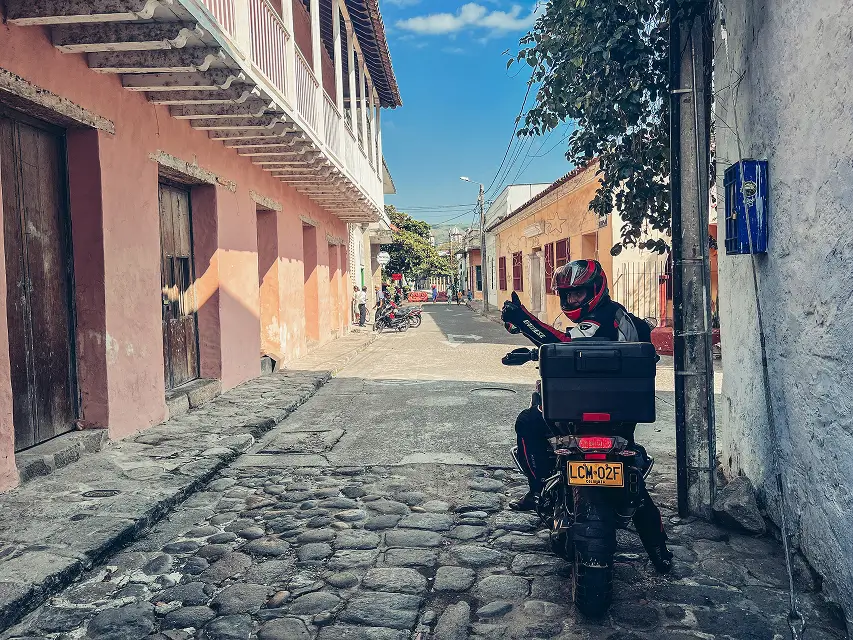
Traveling by motorcycle through Colombia is an experience that combines adventure, spectacular landscapes, and memorable routes. From the roads that cross the Andes mountain range to the paths connecting traditional towns and tourist destinations, the country offers ideal settings for those who enjoy adventure motorcycling.
However, exploring Colombian roads requires preparation, knowledge of the environment, and a proper understanding of local riding dynamics. Geographic conditions, traffic patterns, and certain characteristics of the road infrastructure make adopting safe riding habits essential to fully enjoying the experience.
At Elephant Moto, they understand that every expedition should be carried out with peace of mind, organization, and expert support. For this reason, they share essential recommendations for riding a motorcycle responsibly in Colombia and making the most of every journey.
Why Is It Important to Understand Driving Conditions in Colombia?
Colombian roads cross mountains, valleys, rural areas, and urban corridors with heavy traffic. This diversity makes the country one of the most attractive destinations in Latin America for motorcycle travel, although it also requires attentive riding adapted to different scenarios.
Understanding road characteristics, anticipating potential obstacles, and becoming familiar with local driving culture helps reduce risks and enjoy each journey with greater comfort.
Learn How to Read Mountain Curves
Andean roads represent one of the greatest attractions for motorcyclists visiting Colombia. However, they also require experience, skill, and caution.
Stay Cautious on Blind Curves
In mountainous areas, it is advisable to assume that behind every curve there may be a bus, a cargo truck, or another vehicle occupying part of the opposite lane.
Reducing speed and widening your field of vision helps you make decisions with a greater margin for reaction and maintain control of the motorcycle.
Use the Late Apex Technique
Entering curves progressively improves visibility and allows riders to detect unexpected situations in advance.
This practice is particularly useful on narrow roads, steep inclines, and routes with constant elevation changes.
Always Maintain a Defensive Riding Style
Defensive riding is one of the main allies for those exploring Colombia by motorcycle.
During a journey, riders may encounter animals on the road, pedestrians walking along the shoulder, agricultural vehicles, cyclists, or surfaces with changing conditions.
For this reason, it is advisable to remain alert at all times and avoid assuming that other drivers have noticed the motorcycle.
Adopting a preventive mindset allows riders to react quickly and significantly improve safety throughout the trip.
Road Checkpoints: What You Need to Know
Checkpoints are common in different regions of the country and form part of the road safety and control strategies implemented by authorities.
Use Navigation Apps
Tools such as Waze often provide updated information about checkpoints, road closures, accidents, and traffic incidents.
It is also advisable to pay attention to orange cones, temporary signage, or reductions in traffic flow, as they may indicate the presence of an upcoming checkpoint.
Always Carry Your Documents
When riding in Colombia, it is important to carry the appropriate documentation.
Among the most important documents are:
- Passport or identification document.
- Valid driver’s license.
- Motorcycle registration documents.
- Mandatory insurance when applicable.
- Permits required for foreign visitors.
Responding politely and following authorities’ instructions generally helps simplify any verification process.
Avoid Riding at Night on Colombian Roads
One of the most important recommendations for long-distance travelers is to limit riding to daylight hours.
Risks of Riding After Sunset
Colombian roads can present challenging conditions during nighttime travel.
Some of the most common risks include:
- Potholes that are difficult to identify.
- Recent landslides.
- Gravel or loose debris on the road.
- Animals crossing the roadway.
- Vehicles with inadequate lighting.
- Fog in mountainous regions.
Additionally, due to Colombia’s geographical location, sunset occurs at approximately 5:45 p.m. throughout much of the year, making proper daily planning essential.
Plan Your Routes in Advance
Starting early in the morning allows riders to complete routes comfortably, deal with unexpected delays, and arrive at their destination with sufficient daylight to enjoy the surroundings.
Speed Bumps: A Common Feature on Colombian Roads
Speed reducers, popularly known as resaltos or speed bumps, are part of Colombia’s road landscape.
They can commonly be found at:
- Town entrances.
- Town exits.
- School zones.
- Residential areas.
- Commercial districts.
In some cases, they lack signage or reflective paint, making it important to reduce speed when approaching small towns or pedestrian-heavy areas.
Anticipating these obstacles helps preserve motorcycle stability and prevent incidents.
Watch Out for Slippery Surfaces
Tropical weather conditions create constant changes in pavement conditions.
Even on sunny days, riders may encounter oil spots, fuel residue, or surfaces with reduced grip.
Exercise Caution During the First Rainfall
The first minutes of rain often represent the highest level of risk because dust, oil, and accumulated debris mix together on the asphalt.
Under these conditions, riders should:
- Reduce speed.
- Avoid sudden maneuvers.
- Decrease lean angles.
- Maintain smooth acceleration and braking.
- Avoid riding over painted lines when they are wet.
Understand Colombian Traffic Dynamics
Colombian road culture may feel different for motorcyclists coming from other countries.
It is common to encounter vehicles traveling slowly in the left lane or drivers using informal signals to indicate that overtaking may be possible.
Although these practices are part of everyday driving behavior in certain regions, it is always advisable to personally verify that conditions are safe before making any maneuver.
Prudence remains the most important tool for reducing risks.
Lane Filtering Is a Common Practice
In cities such as Bogotá, Medellín, and Cali, motorcycles often travel between rows of stopped vehicles during periods of congestion.
This practice is socially accepted and widely used.
However, it is important to do so responsibly.
Some recommendations include:
- Maintain moderate speeds.
- Watch for sudden lane changes.
- Anticipate unexpected vehicle movements.
- Respect pedestrians and cyclists.
- Thank drivers who facilitate your passage.
“No Dar Papaya”: An Essential Recommendation for Any Traveler
One of the most popular expressions in Colombia is “no dar papaya,” a philosophy that encourages people to avoid situations that may facilitate theft or loss.
For motorcycle travelers, this means adopting simple yet effective precautions.
Among them are:
- Store helmets in secure places.
- Avoid leaving cameras or electronic devices visible.
- Choose accommodations with private parking.
- Keep valuable belongings under supervision.
- Use additional motorcycle security systems whenever possible.
Applying these recommendations allows riders to enjoy their experience with greater peace of mind.
Additional Tips for Riding a Motorcycle Safely in Colombia
Before starting any trip, it is advisable to perform a general inspection of the motorcycle.
Check:
- Tire condition.
- Oil level.
- Brake system.
- Front and rear lights.
- Tire pressure.
- Basic tools.
- Protective gear.
It is also recommended to check weather conditions and plan routes according to the rider’s experience level.
Proper preparation can make the difference between a comfortable journey and a challenging experience.
Discover Colombia on Two Wheels with Greater Confidence
Colombia has become one of the favorite destinations for adventure motorcycling thanks to its landscapes, geographic diversity, and cultural richness found throughout every region.
Exploring the country on two wheels allows travelers to discover traditional towns, scenic roads, and unique experiences that are difficult to appreciate from any other means of transportation.
Applying safety measures, understanding road conditions, and planning each day in advance contributes to a more comfortable, organized, and enriching experience.
At Elephant Moto, they believe every expedition should combine adventure, exclusivity, and peace of mind. For this reason, they design experiences that allow travelers to explore Colombia while enjoying carefully selected routes, expert guidance, and the support needed to focus entirely on enjoying the ride.
Explore Colombia with the Support of Adventure Motorcycling Experts
Riding a motorcycle through Colombia means discovering breathtaking landscapes, challenging roads, and destinations full of authenticity. Proper preparation and understanding route conditions help transform every trip into a safer and more rewarding experience.
At Elephant Moto, they assist national and international travelers in creating memorable two-wheeled experiences, combining adventure, comfort, and personalized service to maximize every mile traveled.
You can contact us by phone at +(57) 318 362 1661 or by email at micho@elephantmoto.com. Our team will be delighted to assist you from Monday through Saturday between 9:00 AM and 5:00 PM, while Sundays we remain closed.
Frequently Asked Questions
Is it safe to travel through Colombia by motorcycle?
Yes. Colombia is an increasingly popular destination among domestic and international motorcyclists. Riding defensively, respecting traffic laws, and planning routes properly allow travelers to enjoy a safe and memorable experience.
What documents are required to ride a motorcycle in Colombia?
It is advisable to carry a valid driver’s license, personal identification, motorcycle registration documents, and any permits required for foreign visitors.
Is reflective gear mandatory?
Colombian regulations require the use of reflective clothing or reflective elements during nighttime hours to improve the visibility of riders and passengers.
What is the best time to begin a motorcycle route?
Early morning hours generally offer better weather conditions and allow riders to complete their journeys with sufficient daylight, reducing the risks associated with nighttime riding.